Steroid Injections: Uses, Benefits, Risks and What to Expect
Written and medically reviewed by
Dr Dinesh Sirisena
Consultant in Sports, Exercise & Musculoskeletal Medicine
Triaxis Sports & Joint Clinic
Steroid injections, also called corticosteroid or cortisone injections, are used to reduce inflammation and related pain in selected joints and soft tissues. They may be considered for conditions such as osteoarthritis, bursitis and certain tendon or joint problems. Their effect is usually temporary, and they are not suitable for every condition. Rehabilitation, exercise and activity modification may still be important parts of treatment.
What is a steroid injection?
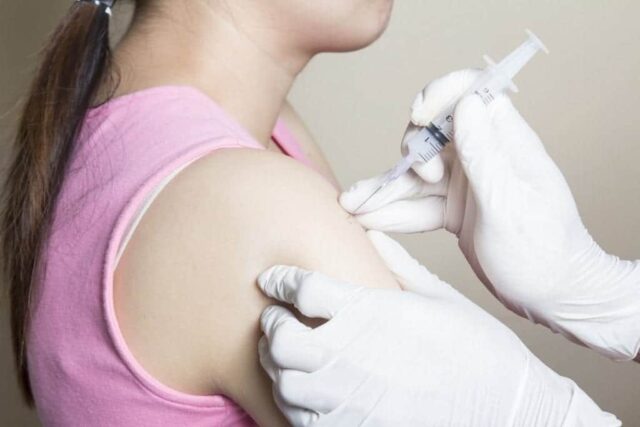
A steroid injection delivers a corticosteroid medicine into or around a selected joint or soft-tissue structure to reduce inflammation and related symptoms. Corticosteroids are different from anabolic steroids used to increase muscle mass. They may sometimes be combined with a local anaesthetic depending on the procedure and clinical situation.
Corticosteroids are medicines that influence the body’s inflammatory response.
Depending on the condition, an injection may be placed into or around:
- A joint
- A bursa
- A tendon-related structure
- A tendon sheath
- Selected soft tissues
Local anaesthetic may sometimes be included to numb the area temporarily.
Importantly, the purpose of a steroid injection is usually to help manage symptoms. It does not mean the underlying structure has been repaired or that the condition has been cured.
How do steroid injections work?
Steroid injections work mainly by reducing inflammation in the area where the corticosteroid is delivered. This may reduce pain, swelling or stiffness in selected conditions. However, the response varies between patients, and some musculoskeletal pain is not primarily inflammatory, so a steroid injection may not always be appropriate.
Corticosteroids act differently from ordinary painkillers.
Rather than simply blocking pain signals, they influence inflammatory processes that may contribute to symptoms.
For example, they may sometimes be considered when inflammation is contributing to:
- Joint pain
- Bursa irritation
- Tendon sheath inflammation
- Certain inflammatory joint conditions
However, pain can also arise from mechanical loading, nerve problems, muscle weakness or structural injury.
This is why understanding the diagnosis is important before deciding whether an injection is appropriate.
What conditions can steroid injections be used for?
Steroid injections may be considered for selected inflammatory or painful musculoskeletal conditions involving joints or soft tissues. Examples include some forms of osteoarthritis, bursitis, inflammatory arthritis, trigger finger and selected tendon-related conditions. Whether an injection is appropriate depends on the diagnosis and clinical assessment.
Conditions for which corticosteroid injections may sometimes be discussed include:
- Osteoarthritis
- Bursitis
- Frozen shoulder
- Trigger finger
- Selected joint inflammation
- Some tendon sheath conditions
- Selected inflammatory arthritis
- Carpal tunnel syndrome in appropriate cases
However, the evidence and expected benefit differ considerably between conditions.
For example, NICE recommends that intra-articular corticosteroid injections may be considered for osteoarthritis when other pharmacological treatments are ineffective or unsuitable, or to support therapeutic exercise. NICE also advises explaining that relief is generally short term.
How long does a steroid injection last?
The effect of a steroid injection varies. Some people experience improvement for several weeks, while others may have shorter, longer or little benefit. For osteoarthritis, NICE advises that intra-articular corticosteroid injections generally provide short-term relief of around 2 to 10 weeks rather than a long-term solution.
The duration can depend on:
- The condition being treated
- The joint or tissue involved
- Severity and duration of symptoms
- Activity levels
- Rehabilitation
- Individual response
An NHS musculoskeletal service notes that effects commonly last around six weeks, although responses vary between people.
Therefore, it would be misleading to promise a fixed duration of relief.
How quickly does a steroid injection start working?
A steroid injection does not always work immediately. If local anaesthetic is included, temporary numbness or relief may occur quickly, but this can wear off after a few hours. The corticosteroid itself may take a day or several days to have an effect, and individual responses vary.
Some patients also experience temporary soreness or an increase in pain shortly after the procedure.
This is sometimes called a post-injection flare.
It generally settles, but patients should receive specific aftercare instructions and know when unexpected symptoms require medical attention.
Are steroid injections a cure for joint or tendon pain?
No. Steroid injections usually aim to reduce inflammation and symptoms rather than cure the underlying musculoskeletal condition. For example, an injection does not reverse osteoarthritis, rebuild cartilage or automatically repair a damaged tendon. Rehabilitation and other management strategies may still be needed.
This distinction is especially important in patient education.
A temporary reduction in symptoms may sometimes help a patient participate more comfortably in rehabilitation or therapeutic exercise.
For osteoarthritis, NICE specifically places corticosteroid injections within a broader treatment plan and recommends explaining that the effect is short term.
Therefore, claims such as “heals the joint” or “repairs damaged tissue” should be avoided.
Are steroid injections suitable for tendon problems?
Steroid injections may be considered for selected tendon-related or tendon-sheath conditions, but they are not appropriate for every type of tendon pain. The benefits and risks depend on the exact structure and diagnosis. Repeated injections may increase the risk of tendon damage, so clinical assessment is important before treatment.
Tendons connect muscles to bones and are exposed to repeated mechanical loading.
Many tendon problems respond primarily to:
- Load modification
- Progressive strengthening
- Exercise therapy
- Rehabilitation
- Gradual return to activity
In selected conditions, corticosteroid injections may have a role in symptom management.
However, symptom reduction does not necessarily mean that tendon capacity or strength has recovered.
Can steroid injections be used for sports injuries?
Steroid injections may have a role in selected sports-related musculoskeletal conditions, but they are not routine treatment for every sports injury. The diagnosis, stage of injury, tissue involved and sporting demands should be considered before an injection is discussed. Rehabilitation usually remains important when returning to sport.
Sports that commonly involve musculoskeletal loading include:
- Running
- Football
- Rugby
- Tennis
- Golf
- Badminton
- Swimming
- Cricket
- Weightlifting
For example, shoulder pain in a swimmer could arise from several different structures, while knee pain in a runner may involve a joint, tendon, bone or other tissue.
Therefore, the location of pain alone should not determine whether a steroid injection is appropriate.
Do I need an X-ray, MRI or ultrasound before a steroid injection?
Not everyone needs imaging before a steroid injection. The need for an X-ray, MRI or musculoskeletal ultrasound depends on the suspected diagnosis and whether imaging would change management. Clinical history and physical examination usually guide the decision before further investigations are considered.
Different scans answer different questions:
X-ray
May be useful for fractures, bone alignment and selected joint changes.
MRI
May be considered for deeper soft tissues, cartilage, bone marrow and internal joint structures.
Musculoskeletal ultrasound
Can provide real-time images of selected tendons, joints, muscles, ligaments and nerves.
Imaging should not be ordered automatically simply because an injection is being discussed.
What is an ultrasound-guided steroid injection?
An ultrasound-guided steroid injection uses real-time ultrasound imaging to help a clinician visualise the intended anatomical target and surrounding structures while placing the needle. Ultrasound guidance may be useful for selected joints and soft tissues, although not every injection requires imaging guidance.
Ultrasound may allow the clinician to see:
- The intended joint or soft-tissue target
- Tendons
- Nerves
- Blood vessels
- The path of the needle
NHS patient information describes ultrasound or X-ray guidance being used for selected joint injections to help direct the injection to the intended area.
However, ultrasound guidance should not be marketed as guaranteeing better results.
Depending on the individual’s condition and clinical assessment, certain procedures may be considered as part of a broader management plan.
Does a steroid injection hurt?
A steroid injection involves a needle, so some brief discomfort can occur. The amount varies depending on the body area, procedure and individual. Local anaesthetic may sometimes be used. Mild soreness or temporary worsening of pain may also occur for a short period after the injection.
During the procedure, the skin is generally cleaned before the needle is inserted.
Afterwards, some patients may notice:
- Tenderness
- Bruising
- Temporary soreness
- A short-term increase in pain
Patients should be given clear advice about what symptoms are expected and which symptoms need further assessment.
What are the possible side effects of steroid injections?
Steroid injections can cause side effects, although the risks depend on the medication, injection site, frequency and individual medical circumstances. Possible effects include temporary pain, bruising, skin or fat changes, changes in blood glucose, infection and, with repeated injections, possible cartilage or tendon damage.
Possible effects can include:
- Temporary pain flare
- Bruising or bleeding
- Facial flushing
- Change in skin colour
- Loss of fat around the injection site
- Temporary rise in blood glucose
- Infection
- Allergic reaction
Repeated injections may also carry additional considerations for tendons and cartilage.
Patients with diabetes should discuss blood glucose monitoring because corticosteroids can temporarily raise glucose levels.
Who may need extra assessment before a steroid injection?
Extra assessment may be needed if a patient has an infection, diabetes, takes blood-thinning medication, has certain allergies, is pregnant or breastfeeding, has recently received another steroid injection or has other medical conditions that may affect the procedure. The decision should be individual rather than based on a general checklist alone.
Before an injection, patients should tell their clinician about:
- Current medications
- Blood thinners
- Diabetes
- Allergies
- Active infection
- Antibiotic treatment
- Pregnancy or breastfeeding
- Recent vaccinations
- Previous steroid injections
- Planned surgery
NHS guidance also recommends additional consideration for several medical conditions and medicines before proceeding.
Patients should not stop prescribed medication without medical advice.
How many steroid injections can I have?
There is no single number that applies to every patient or body area. Repeated corticosteroid injections require careful consideration because cumulative exposure may increase risks to cartilage, tendons and surrounding tissues. The need for another injection should depend on the diagnosis, previous response and available alternatives.
Some healthcare providers use practical limits on the number or frequency of injections.
However, rather than giving every patient the same fixed number, the clinician should consider:
- The joint or tissue involved
- How recently the previous injection was given
- Response to the previous injection
- Medical conditions
- Alternative treatments
- Potential risks of repeat treatment
The NHS advises discussing the risks and benefits again if further injections are being considered.
What should I do after a steroid injection?
Aftercare depends on the injection site and condition. Patients may be advised to temporarily reduce activities that aggravate the area and then gradually return to normal movement and rehabilitation. Exercise plans should be individualised rather than following one standard recovery timeline.
After treatment, the clinician may discuss:
- Temporary activity modification
- When to return to exercise
- Rehabilitation
- Progressive strengthening
- Work activities
- Sport-specific training
An NHS musculoskeletal service advises avoiding activities that make symptoms worse for several days and gradually returning to normal activity.
The specific advice may differ depending on whether the injection involves a joint, tendon-related structure or another area.
Do I still need rehabilitation after a steroid injection?
Often, yes. A steroid injection may reduce symptoms, but it does not automatically restore strength, mobility, balance or tolerance to physical load. When appropriate, rehabilitation can address these factors and help support a gradual return to daily activities, exercise or sport.
Rehabilitation may include:
- Education
- Activity modification
- Mobility exercises
- Progressive strengthening
- Load management
- Movement retraining
- Balance exercises
- Sport-specific exercises
For osteoarthritis, NICE specifically advises considering corticosteroid injections as short-term symptom relief or to support participation in therapeutic exercise rather than as a replacement for exercise.
When should I seek medical attention after a steroid injection?
Seek medical advice if unexpected or concerning symptoms develop after an injection, especially increasing redness, warmth, swelling, severe or worsening pain, fever, feeling significantly unwell or signs of an allergic reaction. Patients should follow the individual aftercare advice provided by their healthcare professional.
Rarely, infection may occur after an injection.
NHS guidance advises seeking urgent assessment when the injection area becomes hot, swollen and painful or when the patient feels unwell after the procedure.
Severe swelling of the lips, mouth or throat, difficulty breathing or other signs of a serious allergic reaction require emergency medical attention.
How are steroid injections considered at Triaxis Sports & Joint Clinic?
At Triaxis Sports & Joint Clinic, steroid injections may be considered for selected sports and musculoskeletal conditions following clinical assessment. The decision depends on the likely diagnosis, symptoms, examination findings, previous management and potential benefits and risks. An injection may form one part of a wider management and rehabilitation plan.
Assessment may include:
- Sports Medicine assessment
- Musculoskeletal examination
- Medical and injury history
- Movement and functional assessment
- Sports ultrasound where appropriate
- Discussion of imaging
- Patient education
- Rehabilitation planning
- Shared decision-making
Where an injection is considered, patients can discuss its intended purpose, possible duration of benefit, potential risks and available alternatives.
This restrained approach is also relevant to Singapore healthcare advertising. MOH requires healthcare advertisements to be accurate and truthful and not induce unnecessary consumption of healthcare services, while claims should be capable of substantiation.
Frequently Asked Questions About Steroid Injections
Are steroid injections the same as anabolic steroids?
No. Corticosteroid injections are different from anabolic steroids used to increase muscle size or athletic performance. Corticosteroids are medicines that reduce inflammatory activity and may be used in selected joint or soft-tissue conditions. The fact that both are called “steroids” can cause confusion, but their medical uses and biological effects are different.
How long does pain relief from a steroid injection last?
The duration varies between individuals and conditions. Some people experience relief for several weeks, while others may notice little benefit or a different duration. For osteoarthritis, NICE advises that intra-articular corticosteroid injections generally provide short-term symptom relief of around 2 to 10 weeks. A fixed duration should therefore not be promised.
Can steroid injections damage cartilage?
Repeated corticosteroid injections may be associated with risks to cartilage and other tissues, which is one reason repeated treatment should be considered carefully rather than given automatically. The clinical significance depends on factors such as the joint, frequency of injections and underlying condition. Patients should discuss the risks and alternatives before repeat injections.
Can steroid injections damage tendons?
Repeated steroid injections may increase the risk of tendon damage, particularly when injections involve tendon-related structures. This does not mean every injection will cause tendon injury. The clinician should assess the anatomical structure involved, diagnosis and alternative management options before recommending an injection.
Can I exercise after a steroid injection?
The appropriate return to exercise depends on the condition and injection site. Temporary activity modification may be recommended before gradually restarting normal activity or rehabilitation. The injection should not be viewed as proof that the affected structure is ready for unrestricted sporting load. Follow the individual advice provided after the procedure.
Can a steroid injection replace physiotherapy or rehabilitation?
Usually not. A steroid injection may temporarily reduce inflammation and symptoms, but it does not automatically address strength, mobility, movement control or load tolerance. For osteoarthritis, NICE recommends using injections, where appropriate, to support therapeutic exercise rather than replace it. Rehabilitation may therefore remain an important part of management.
Are ultrasound-guided steroid injections safer?
Ultrasound provides real-time visualisation of selected anatomy and needle placement, which may be useful for certain injections. However, it would be inappropriate to state that every ultrasound-guided steroid injection is safer or produces better outcomes. The value of image guidance depends on the target, anatomy and procedure being performed.
Are steroid injections suitable for everyone?
No. Steroid injections are not suitable for every condition or patient. Factors such as infection, diabetes, medications, allergies, previous injections, upcoming surgery and other medical conditions may influence whether an injection is appropriate. Clinical assessment is therefore important before deciding whether the potential benefits outweigh the risks.
About the Author
Dr Dinesh Sirisena is a Consultant in Sports, Exercise & Musculoskeletal Medicine. His clinical work includes assessment and management of sports injuries and musculoskeletal conditions affecting joints, muscles, tendons, ligaments and related structures.
Medical Disclaimer
This page provides general educational information and does not replace individual medical advice. Steroid injections are not suitable or required for every musculoskeletal condition. Potential benefits, risks, alternatives and aftercare depend on the diagnosis, medical history and clinical circumstances. Patients should undergo appropriate clinical assessment before deciding on an injection procedure.